November 2, 2026
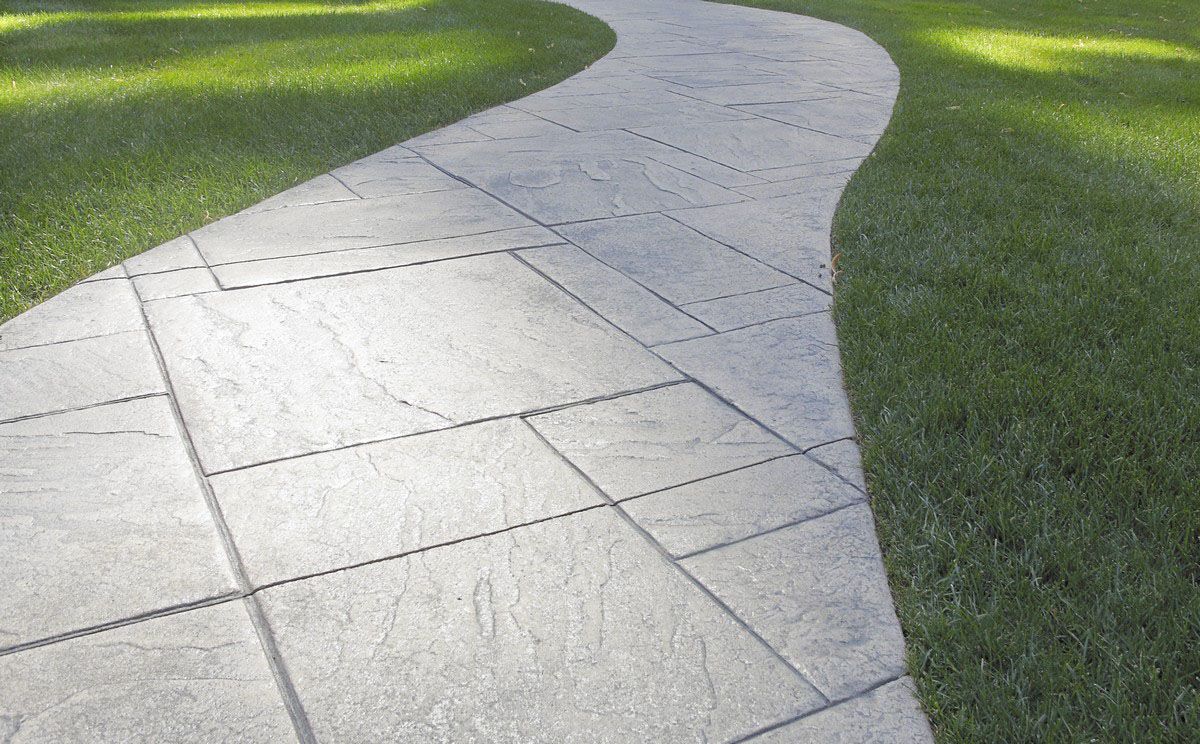
Decorative concrete has transformed modern architecture and landscape design, merging the aesthetic elegance of natural stone, slate, and polished tile with the legendary strength of traditional concrete. From textured pool decks and stamped patios to stained commercial floors and sleek interior surfaces, these applications provide unmatched versatility and curb appeal. Yet, the real test of any installation is not how breathtaking it looks on the day of completion, but how resilient it remains through years of foot traffic, heavy vehicle loads, weather cycles, and chemical exposure.
Without precise technical execution, decorative slabs can fall victim to early spalling, chipping, unsightly cracking, and surface discoloration. Ensuring that an installation remains visually stunning and structurally sound requires comprehensive engineering from the ground up. By partnering with an experienced decorative concrete contractor, property owners gain the expertise, chemistry, and craftsmanship necessary to turn a cosmetic upgrade into an enduring architectural asset.
Testing Soil and Subgrade Stability
The foundation of any durable concrete slab begins well before the ready-mix truck ever pulls up to the job site. A slab is only as stable as the subgrade supporting it, and inadequate ground preparation is the single greatest cause of differential settlement, hairline cracking, and major structural cleavage. When heavy loads or moisture fluctuations interact with poorly prepared soil, uncompacted areas sink while expansive clay soils push upward. To eliminate these points of failure, an expert installation begins with a thorough assessment of local soil composition, moisture content, and site drainage.
Technicians excavate unstable organic topsoil and replace it with uniform, crushed aggregate bases—such as dense-graded road base or clean washed stone—that provide both load-bearing capacity and positive water percolation. Mechanical plate compactors and heavy trench rollers are utilized in measured lifts to achieve maximum Proctor density across every square foot. A reputable decorative concrete contractor never pours directly over uncompacted soil or poorly drained native dirt, knowing that shortcuts beneath the slab will inevitably ruin the surface artistry above.
Engineering Custom Concrete Mixes
Standard utility mixes found in basic foundation work rarely satisfy the exacting structural and chemical demands of stamped, stained, or exposed decorative finishes. Achieving long-term durability requires an engineered mix specifically tailored to the local environment and the intended artistic process. The water-cement ratio is managed with surgical accuracy; while excess water makes wet concrete easier to place and stamp, it drastically diminishes the hardened slab's compressive strength, creates microscopic porosity, and leads to surface dusting.
In regions subject to freezing and thawing cycles, microscopic air-entraining admixtures are blended into the batch to introduce millions of relief chambers that prevent internal hydraulic pressure from shattering the matrix. Supplementary cementitious materials like fly ash, slag, and silica fume are integrated to react with free lime, significantly densifying the microscopic pore structure and lowering permeability. A professional decorative concrete contractor creates mixes designed to accept integral colors without sacrificing integrity, ensuring that deep pigmentation and high-performance durability complement each other seamlessly.
Installing Structural Reinforcement Systems
Concrete possesses exceptional compressive strength, enabling it to support immense downward weight, but its tensile strength is notoriously modest. As temperatures fluctuate, soil settles, and seasonal moisture levels change, internal tensile stresses develop that can easily tear an unreinforced slab apart. High-grade reinforcement networks bridge these internal tensions, holding the slab tightly together even when ambient stress reaches critical levels. High-tensile deformed rebar grids are tied in systematic square patterns to handle heavy vehicular traffic, turning loads, and subgrade deflection.
In addition to structural steel bar framing, modern applications frequently incorporate micro- and macro-synthetic fibers distributed evenly throughout the liquid batch. These engineered poly fibers intercept micro-cracks during the critical initial curing period, preventing hairline shrinkage fissures from expanding into visible surface flaws. A skilled decorative concrete contractor engineers reinforcement grids that withstand heavy vehicle loads and thermal expansion, guaranteeing that decorative patterns are supported by unyielding structural muscle.
Cutting Precision Expansion and Control Joints
Concrete naturally shrinks as water evaporates during the hydration process, undergoing a slight volumetric contraction that generates internal strain. Because concrete will inevitably crack where stress concentrates, the goal of modern engineering is not to prevent movement entirely, but to dictate precisely where it occurs. Control joints create intentional, pre-planned planes of weakness, ensuring that any stress cracks happen beneath a clean, straight line rather than jaggedly across an artistic pattern. The timing of joint cutting is a critical balance: cutting too early results in ravelling and chipped edges, while cutting too late allows uncontrolled shrinkage cracks to propagate across the slab.
Furthermore, isolation joints are installed wherever the slab meets fixed structures like foundation footings, exterior columns, or adjoining walkways to permit independent thermal movement without stress transfer. A knowledgeable decorative concrete contractor strategically hides control joints within the decorative pattern lines to preserve visual continuity, integrating these essential relief channels directly into simulated grout lines, slate borders, and geometric bands.
Applying Industrial-Grade Sealers and Topcoats
While the internal matrix provides structural load-bearing capacity, the uppermost layer bears the direct brunt of UV radiation, chemical contamination, abrasive foot traffic, and water infiltration. Applying a high-performance sealing system is vital for locking in surface beauty and shielding the material from environmental degradation. Different environments require distinct chemistries: exterior patios and pool surrounds demand breathable, non-yellowing acrylics or penetrating silane-siloxanes that allow subsurface vapor to escape freely without bubbling, whereas high-traffic commercial interiors benefit from resilient polyurethanes, high-solids epoxies, or rapid-curing polyaspartics that resist extreme abrasion and industrial cleaning chemicals.
Beyond mechanical protection, premium sealers enhance the aesthetic depth of the work, enriching earth-toned stains, intensifying antiquing release powders, and accentuating natural texture contrasts. These protective layers also make the concrete impervious to oil stains, automotive fluids, barbecue grease, and corrosive pool sanitizers. A specialized decorative concrete contractor balances breathability with liquid impermeability during application, selecting a tailored protective system that prevents peeling, blushing, and early fading under harsh exposure.
Guiding Long-Term Maintenance and Resealing Schedules
Even the finest architectural installation requires ongoing stewardship to preserve its pristine look and structural resilience over decades of service. Environmental contaminants, airborne dust, decomposing organic leaves, and ground-in dirt can gradually degrade protective topcoats if left unmanaged. Property owners must be guided on gentle, non-abrasive cleaning routines, such as using pH-neutral biodegradable soaps and soft-bristle sweeping while avoiding high-pressure power-washing nozzles that can pit decorative surfaces. Chemical defense is equally important; homeowners must avoid using harsh de-icing compounds like ammonium nitrate or rock salt in winter, as these products corrode clear coats and trigger freeze-thaw spalling.
Regular reapplication of sealers is the ultimate defense against weathering. According to the Concrete Network, concrete should be resealed every two to five years for typical climates; in harsh climates or heavy-traffic scenarios, every one to two years. Following this periodic upkeep preserves the chemical shield, revives the original color vibrancy, and repels water intrusion before moisture reaches the inner structural matrix. A dedicated decorative concrete contractor provides an explicit schedule to help property owners protect their warranty and investment, ensuring the slab delivers its full design lifespan.
Achieving exceptional decorative concrete requires far more than surface stamping mats, vibrant stains, and cosmetic finishing. True durability is the direct result of comprehensive site excavation, engineered subgrade compaction, precisely proportioned concrete chemistry, and disciplined structural reinforcement. By balancing rigorous structural principles with high-end surface craft, property owners avoid the frustrating cycle of surface pitting, premature cracking, and expensive restorative repairs. Choosing to partner with a reputable
decorative concrete contractor ensures that every stage of the project—from early soil testing and structural joint design to final sealant application—is executed to the highest architectural standards.
Ready to elevate your property with stamped, stained, or polished surfaces engineered to stand the test of time? Contact the team at Innovative Floor Works, LLC today to schedule your design consultation and receive an in-depth project estimate. Let us deliver the durable, high-performance concrete craftsmanship your space deserves.